
Choosing a custom box material is one of the first production decisions that affects cost, damage rates, and how customers perceive your brand. The right board grade protects your product in transit while reinforcing the positioning you have built on your website and social channels.
Start with how the package will be used
Before comparing swatches or finishes, map the journey: warehouse storage, parcel shipping, retail shelf, or event handoff. Heavy glass, cosmetics, and electronics need more structural support than lightweight apparel accessories. If your product ships alone in a mailer, prioritize burst strength and edge crush. If it sits on a boutique shelf, rigidity and print quality often matter more.
Common material options for custom packaging
- Rigid board — Dense, non-collapsible boxes with a luxury feel. Ideal for gift sets, premium cosmetics, and influencer kits.
- Folding carton (paperboard) — Versatile and cost-efficient for retail cartons, tuck-end boxes, and display packaging.
- Corrugated (ECT-rated) — Best for shipping boxes and mailers where stacking and rough handling are expected.
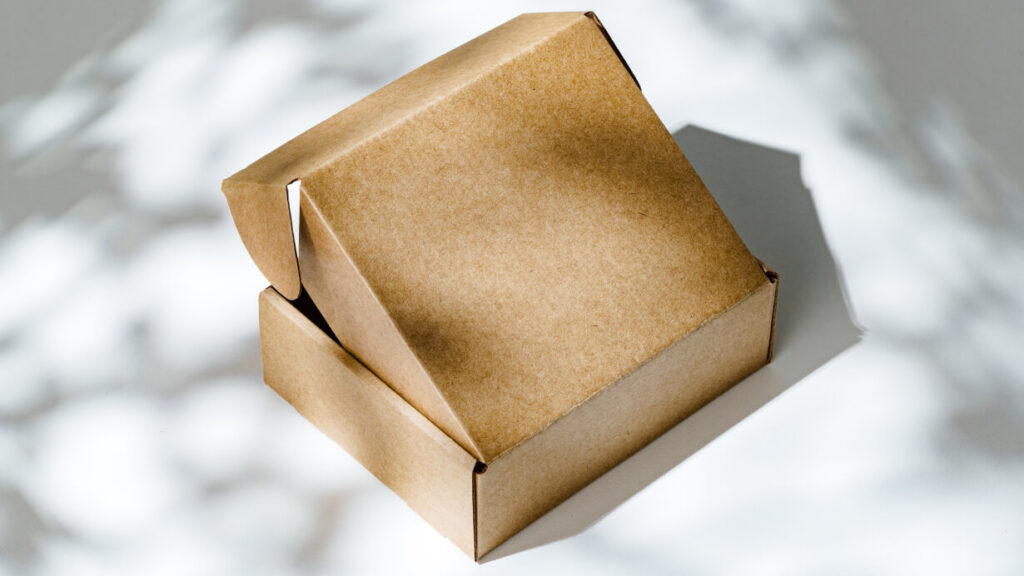
- Kraft and uncoated stocks — Natural texture that signals sustainability; pairs well with minimal one-color branding.
Weight, dimensions, and closure style
Share accurate product weight and inner dimensions with your packaging partner. A box that is too large adds void fill and cost; one that is too tight increases returns. Magnetic closures, ribbon pulls, and crash-lock bottoms each change the material thickness required at stress points.
Finishes that interact with material choice
Soft-touch lamination, spot UV, foil stamping, and embossing all require compatible substrates. A thin paperboard may not hold deep embossing as crisply as a heavier rigid wrap. Ask for a prototype or digital proof on the actual stock before approving a full run.
Practical rule: match material to the worst-case handling scenario, not the ideal unboxing moment.
What to send when you are ready to quote
Include product weight, inner dimensions, desired outer look, estimated annual quantity, and any compliance needs (food contact, child-resistant closures, etc.). With that baseline, a custom packaging team can recommend a material stack that balances protection, brand presentation, and unit economics.

Comments