

US brands often ask whether to invest in rigid presentation boxes, corrugated shippers, or a combination of both. The answer depends on where the package fails or wins in your customer journey — not which option looks best in a mood board.
What rigid packaging does best
Rigid boxes use thick chipboard wrapped in printed paper. They hold shape, support heavy embellishment, and communicate premium quality at first touch. They are common in beauty, jewelry, corporate gifting, and limited-edition product drops where unboxing is part of the marketing story.
Where corrugated excels
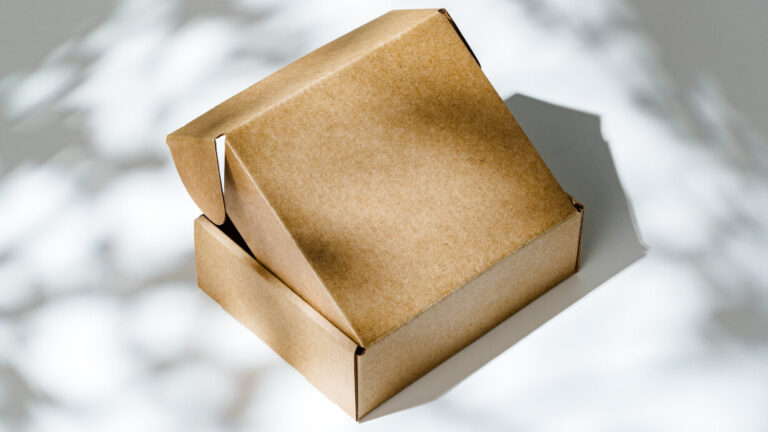
Corrugated fiberboard is engineered for compression strength and cushioning. E-commerce brands use mailer boxes and shipping cartons because they survive parcel networks, absorb impacts, and scale efficiently at higher volumes. Print quality on corrugated has improved dramatically, but fine details still favor paperboard or rigid wraps.
Cost and logistics comparison
- Tooling — Rigid setups may include separate wraps and trays; corrugated typically uses one dieline with flexo or litho-laminate printing.
- Freight — Rigid boxes often ship assembled, increasing cube; corrugated usually ships flat and assembles at pack-out.
- Damage rates — Using a rigid box without an outer shipper can increase claims if parcel carriers are in your mix.
The hybrid approach many DTC brands use
A rigid product box inside a plain or lightly branded corrugated shipper gives you premium reveal plus transit protection. Cosmetics and subscription brands frequently use this model for holiday kits. The outer box carries the tracking label and abuse; the inner box carries the brand moment.
Decision checklist
- Is the package the primary brand touchpoint after purchase?
- Will it ship alone through UPS, USPS, or FedEx?
- What is your target landed cost per unit at current MOQ?
- Do you need insert compartments or foam-free paper alternatives?
Answering those four questions usually points clearly toward rigid, corrugated, or a dual-layer system. Your packaging partner can then recommend board grades, print method, and sampling steps before production.
Comments